

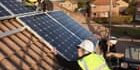
As the UK approaches the end of March 2024, households are scrambling to secure green energy installations before a looming VAT hike takes effect in April. The government plans to remove the zero percent VAT rate on energy-saving materials, raising it to the standard rate of 20%. This change has triggered a surge in demand as homeowners look to beat the impending increase, prompting installers to forecast a busy few weeks ahead.
The latest turn
With the clock ticking, energy experts and installers report a sharp rise in inquiries regarding solar panels, heat pumps, and insulation services. Many households are rushing to obtain quotes and complete installations, aware that the costs will significantly rise after the deadline. Local businesses are experiencing unprecedented demand, leading to longer wait times for consultations and installations.
“We’ve never seen anything like this before,” said Mark Davis, owner of a green energy installation firm in the Midlands. “The phone hasn’t stopped ringing since the VAT change was announced. We’re working overtime to meet the surge in orders.”
Consumer interest is largely driven by financial motivations but also reflects a growing awareness of climate change and the value of energy efficiency. Households are trying to not only save money but also reduce their carbon footprint, as both economic and environmental considerations intertwine in public consciousness.
How the story got here
The VAT hike follows a government initiative aimed at encouraging green energy solutions in residential areas, which previously included the suspension of VAT on energy-saving products in 2022. This decision was made to alleviate the financial burden on households while promoting a shift toward renewable energy sources.
However, the rapid escalation in energy costs during 2022 and 2023 raised concerns about the fiscal impact of these subsidies, leading to policymakers reassessing the sustainability of maintaining such tax breaks. Although the intention was to foster growth in green technology adoption, the decision to reintroduce VAT signifies a major shift in strategy, leaving many homeowners feeling pressured to act quickly.
Experts are now debating the implications of this tax change on the wider green energy sector. While some believe it will deter growth in installations, others argue that the demand for sustainable energy solutions is already substantial and unlikely to wane significantly.
Next expected developments
As households scramble to finalize their installations, the government is expected to monitor the situation closely. There may be further announcements regarding support measures for families as the VAT increase is implemented. Increasing incentives or subsidies for energy-efficient upgrades might also be considered to ease potential backlash from citizens reacting to the price rise.
Installers anticipate continued interest in renewable energy options even after April as public awareness and concern about energy sustainability persist. However, the immediate weeks leading up to the VAT change could be decisive for many businesses within the green energy sector, shaping the nature of its recovery and growth in the years to come.
As the deadline approaches, it remains clear that this pivotal moment will likely redefine the landscape for green energy in the UK, making the coming weeks critical for both consumers and industry stakeholders alike.
Original Source: https://www.theguardian.com/environment/2026/nov/09/uk-households-green-energy-installer-rush-april-vat-hike