

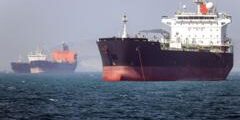
JP Morgan Chase has signaled considerable uncertainty in forecasting oil prices, attributing the unpredictability to the ongoing tensions between the U.S. and Iran under former President Donald Trump. The situation has escalated recently, raising alarms among investors and analysts alike about the potential for significant disruptions in oil supply.
What happened
In a recent conference call, analysts from JP Morgan expressed their difficulties in making any concrete predictions regarding the oil market. The bank noted that political tensions and conflicts create volatility that is hard to quantify. The backdrop of strained U.S.-Iran relations has created a complex landscape, with the potential for conflict impacting critical shipping routes and oil production. This uncertainty has led to JP Morgan revising its oil price forecasts multiple times over the past few months, which they indicated may be necessary again in the coming weeks.
The recent escalation in hostilities, including military actions and aggressive rhetoric from both sides, has placed oil markets on high alert. Oil prices experienced a spike last week following the U.S. airstrikes in the region, with traders reacting swiftly to news of potential retaliation from Iran. JP Morgan highlighted that such unpredictable developments complicate their models, creating a forecasting environment where “we simply don’t know” how prices will respond.
Why it matters
The implications of erratic oil prices extend beyond the energy sector. Fluctuations can affect global markets, consumer fuel costs, and the broader economy. For countries heavily reliant on oil imports, increased prices can lead to inflationary pressures, potentially stalling economic recovery efforts post-pandemic. Investors are wary as oil remains a cornerstone commodity, intricately tied to geopolitical developments.
Moreover, the uncertainties caused by the geopolitical tensions prompt more speculation among traders, sometimes leading to a self-fulfilling prophecy where the anticipation of conflict fuels higher prices. As JP Morgan’s statements highlight, the financial markets are on edge; any sign of de-escalation, or on the contrary, further provocation, can shift investor sentiment almost instantaneously.
What comes next
Looking ahead, the immediate outlook for oil prices remains precarious. Analysts will be closely monitoring any developments from the Biden administration regarding Iran. Future diplomatic engagements or military actions could significantly impact supply chains and, subsequently, market reactions. Additionally, traders will be watching for other geopolitical developments that could influence oil production levels in OPEC nations, especially if those countries align more closely with the U.S. or Iran in the evolving situation.
The potential for volatility underscores the importance for market participants to remain agile, prepared for rapid changes in pricing. As oil prices continue to be influenced by a maze of factors, including political intricacies, traders and consumers alike may find themselves navigating a uniquely challenging landscape in the months to come.
Original Source: https://www.bbc.co.uk/news/articles/cq0m3gmv8n7ko?at_medium=RSS&at_campaign=rss