

What happened
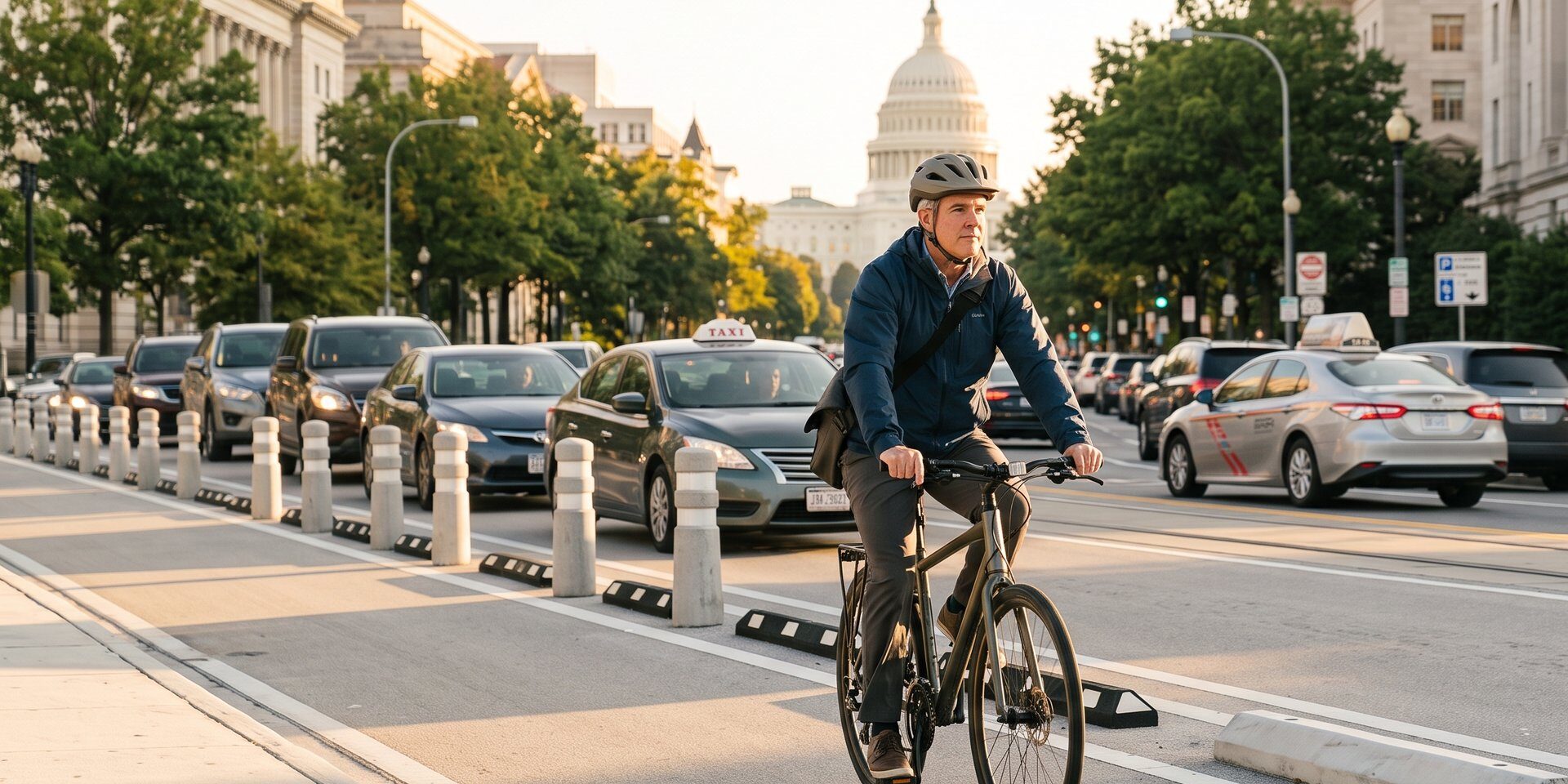
Recent legislative actions in Washington have raised concerns among cycling advocates about potential funding cuts for bike lanes and cycling infrastructure. Just as cities across the country have started investing in expanding bike-friendly initiatives, new federal directive shifts resources away from sustainable transportation projects. This shift could risk the financial benefits that cycling provides to individuals, which are becoming increasingly significant in our current economic climate.
Why it matters
Cycling is not merely a hobby or a transportation option; it can significantly impact personal finances. Here are eight ways a bike saves individuals thousands of dollars each year. First, there’s the direct cost of ownership. Owning and maintaining a bike is generally much less expensive than a car. With escalating fuel prices, insurance, and maintenance costs, the savings can be substantial.
Second, bikers can avoid public transportation costs. Monthly transit passes can add up quickly, while cycling is a cost-efficient alternative that eliminates those fees. Third, many cities are introducing bike-sharing programs, allowing people to rent bikes for short periods without the commitment of ownership.
Insurance is another area where cycling comes out ahead. Biking typically incurs no insurance premiums, while cars require comprehensive coverage that can significantly impact your budget. Additionally, by cycling to work, individuals may also enjoy employer incentives like reimbursements or additional compensation for transportation expenses.
Health benefits are yet another financial advantage. Regular biking encourages physical fitness, which can reduce healthcare costs by preventing chronic diseases associated with sedentary lifestyles. Furthermore, many employers offer wellness programs that can lead to lower health insurance rates, boosting potential savings.
This leads to another crucial point: reduced parking fees. Cities are increasingly charging for parking as they seek to reduce congestion. Cycling allows individuals to bypass those costs entirely. Lastly, environmental advantages, while not immediately quantifiable in financial terms, contribute long-term economic stability through reduced pollution and lower public health expenditures.
Given the economic strain that many Americans face today, these savings are particularly significant. However, the newly proposed federal policies jeopardize the ongoing improvements in biking infrastructure that support these financial benefits. Lack of investment in bike lanes can deter new cyclists from making the switch, ultimately limiting the economic advantages cycling can provide.
What comes next
As advocates push back against these legislative changes, the immediate outlook is uncertain. The situation underscores the need for public input and advocacy for cycling infrastructure. Community input can influence future legislation and funding decisions. Observers are now watching closely to see how legislation evolves and what it means for local bike initiatives.
In the coming weeks, citizens and cycling advocates will likely ramp up their efforts to lobby for continued funding for bike lanes and supportive infrastructure. The ongoing debate will test how priorities are set in Washington and whether the economic benefits of cycling will be recognized amid broader discussions about urban transportation investments.
Original Source: https://www.moneytalksnews.com/ways-a-bike-saves-you-thousands-a-year-and-how-washington-just-put-that-at-risk/
