In a surprising twist during a recent rally, former President Donald Trump stated, “I love the inflation,” as economic pressures in the United States contribute to rising inflation rates now pegged at 4.2%. This declaration comes at a time when global tensions, particularly the ongoing conflict in Iran, could further strain the economic landscape.
What happened
Trump’s comments were made in a public appearance where he aimed to rally support among his base. With inflation creeping upward, many Americans are feeling the pinch, leading to increased scrutiny of current economic policies. The latest Consumer Price Index (CPI) report confirms that inflation has reached levels not seen in years, prompting discussions across political lines.
The former president’s remarks seem to be an attempt to frame inflation as a positive indicator of economic activity, despite the growing concerns it poses for households. Trump’s contention that rising prices can somehow be embraced suggests a broader strategy to galvanize his supporters amidst a backdrop of discontent linked to the Biden administration’s economic strategy.
Why it matters
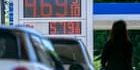
This latest inflation spike is significant not only because it affects consumer purchasing power but also because it occurs concurrently with geopolitical tensions, specifically the standoff with Iran. As the U.S. contemplates its response to escalated military actions and political unrest in the region, the economic implications could reverberate globally. High inflation can lead to decisions by the Federal Reserve regarding interest rates, which have a direct bearing on market stability.
The phrase “I love the inflation” is perplexing to many economists, who often equate rising inflation with economic hardship. Critics argue that Trump’s comments illustrate a disconnect from the realities of everyday Americans struggling to make ends meet amid soaring costs for essentials such as food and energy. The comments may resonate with those who view inflation as an indicator of economic vitality, potentially rallying segments of Trump’s base. However, they could alienate undecided voters concerned about economic stability.
What comes next
As the dust settles from Trump’s comments, the focus shifts to the Federal Reserve and its upcoming policy decisions. Economists anticipate that ongoing inflation will compel the central bank to consider adjusting interest rates in response. With inflation at 4.2%, a rise in interest rates could further influence consumer spending and business investment plans, shaping the recovery trajectory from the pandemic-induced economic slump.
The unfolding situation in Iran continues to add complexity to economic discussions. Increased geopolitical uncertainty could exacerbate inflationary pressures if oil prices spike due to sanctions or military action. In the interim, stakeholders from business leaders to policymakers will be closely monitoring these developments to gauge their economic impact.
As these factors converge, the immediate watchpoint will revolve around upcoming Federal Reserve meetings, where interest rate adjustments could be announced. How the Fed responds could either stabilize or further complicate the current economic landscape, influencing inflation trends and the broader market going forward.
Original Source: https://www.theguardian.com/business/2026/jun/10/inflation-report-rate