

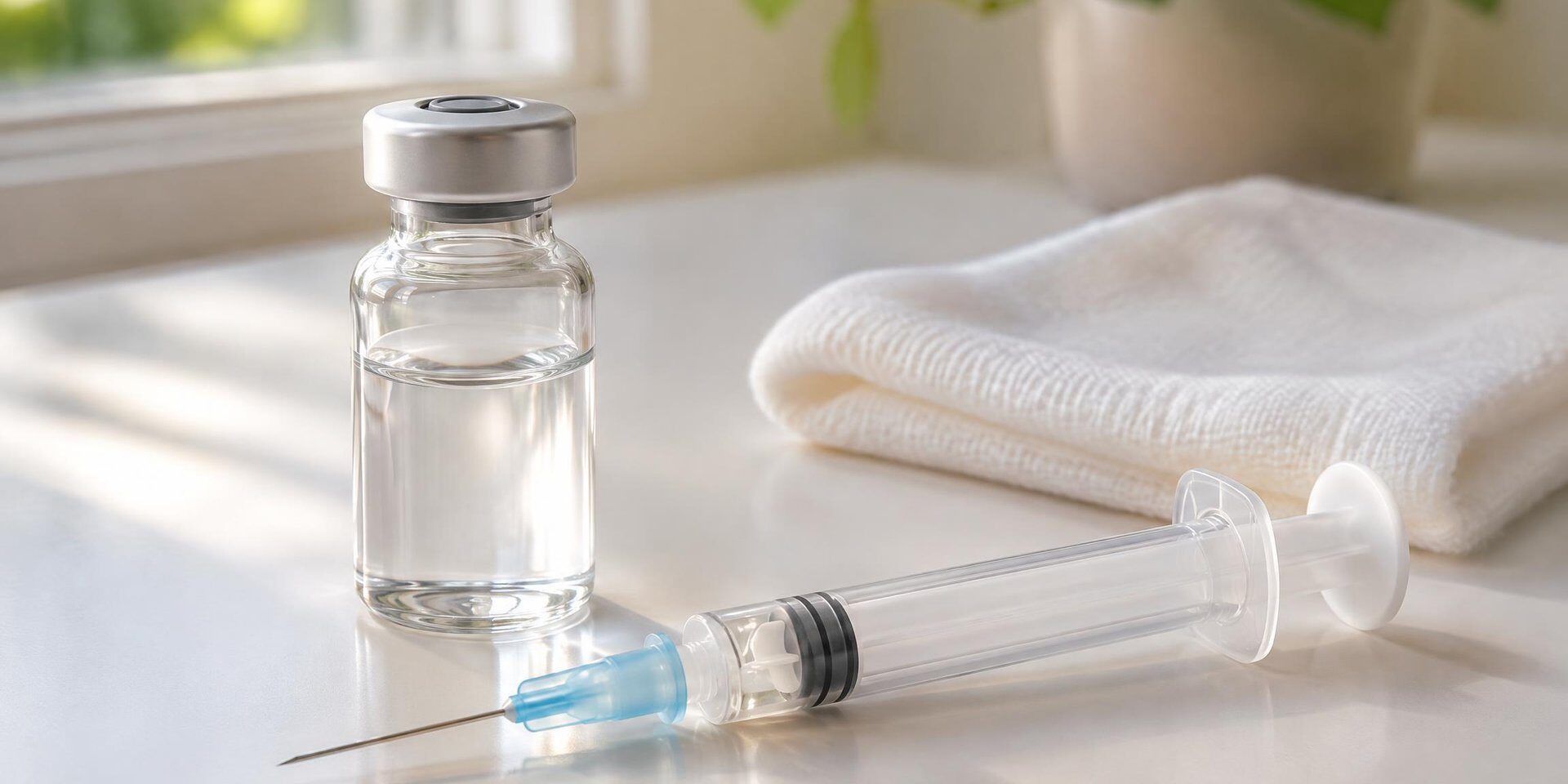
The question of whether someone can contract measles after being vaccinated is a pertinent one amid declining vaccination rates in some regions. The MMR vaccine, which protects against measles, mumps, and rubella, is a cornerstone of childhood immunization programs worldwide. However, recent outbreaks have reignited concerns about the vaccine’s effectiveness and the actual risk of contracting measles post-vaccination.
Background and context
Measles is a highly contagious viral disease characterized by fever, cough, and a distinctive rash. Prior to the widespread use of vaccination, measles led to a significant number of infections and complications, including pneumonia and encephalitis. The MMR vaccine was first introduced in the 1970s, after which the incidence of measles plummeted in countries with high vaccination coverage.
Despite the vaccine’s effectiveness, it is not 100% foolproof. According to the Centers for Disease Control and Prevention (CDC), about 2-10% of vaccinated individuals can still become infected if they are exposed to the virus, particularly if they are in a highly contagious environment. These breakthrough infections are generally less severe than in unvaccinated individuals, and most vaccinated people are likely to experience milder symptoms.
Latest developments
Recent developments in measles outbreaks, especially in areas with lower vaccination rates, have prompted health officials to stress the importance of maintaining herd immunity. Herd immunity occurs when a sufficient portion of a population is vaccinated, thereby protecting those who cannot be vaccinated, such as infants and individuals with compromised immune systems.
In the United States and some parts of Europe, public health authorities have reported clusters of measles cases in communities with low vaccination rates, often fueled by vaccine misinformation. These outbreaks raise alarms about the potential for increased cases, even among vaccinated populations, and have resulted in renewed public health campaigns aimed at promoting vaccination.
This year, the CDC has observed an uptick in measles cases, particularly in areas where the vaccination rate falls below the recommended 95% threshold necessary for herd immunity. Health officials are encouraging parents to ensure their children receive the full MMR vaccination series on schedule, typically administered in two doses, the first at age one and the second between ages four and six.
What to watch next
In the face of ongoing misinformation regarding vaccines, it’s crucial for communities to remain vigilant. Experts suggest that increased outreach efforts are necessary to educate the public on the efficacy of vaccines, dispel myths, and highlight the importance of maintaining high vaccination rates.
While it is technically possible for vaccinated individuals to contract measles, the overall risk remains low when vaccination rates are high. Public health officials continue to monitor outbreaks closely and work to bolster vaccination efforts in vulnerable communities. Moving forward, attention should be focused on vaccination advocacy and addressing gaps in knowledge that lead to hesitancy, as this will be pivotal in preventing future measles cases and ensuring overall public health safety.
Original Source: https://www.moneytalksnews.com/can-you-get-measles-if-you-are-vaccinated-explaining-the-mmr-vaccine/
