

What happened
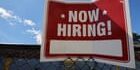
The U.S. economy added 336,000 jobs in October, significantly surpassing analysts’ expectations of 200,000. This monthly increase represents the strongest job growth seen in recent months and indicates a resilient labor market amidst ongoing economic uncertainties. The unemployment rate remained steady at 3.8%, a figure that reflects both the robust employment landscape and the challenges of inflationary pressures.
Beyond the headlines, most sectors reported gains, with notable increases in healthcare, professional services, and leisure and hospitality. The strong labor participation rate, which edged up slightly to 62.8%, suggests more people are re-entering the job market, seeking opportunities in an economy that still poses challenges for many workers.
What it means for readers
For job seekers, this development presents a more favorable environment to find work. Increased job openings may offer better negotiation power regarding salaries and benefits. However, the continuing economic uncertainty, driven by rising interest rates and inflationary pressures, suggests that while employment opportunities grow, wage growth may not keep pace with the cost of living.
Individuals currently employed may feel a sense of security as the job market remains dynamic, but they should remain vigilant. Economic conditions can shift rapidly, influenced by factors such as Federal Reserve policy and global economic developments. The mixed signals from inflation and interest rates could impact future job security, highlighting the importance of financial literacy and adaptability in today’s market.
What happens now
Looking ahead, analysts anticipate a cautious approach from the Federal Reserve as it navigates between controlling inflation and supporting job growth. The latest job numbers may compel the Fed to reassess its monetary policy strategies, potentially affecting interest rates in the near future. A slower-than-expected tapering of rate hikes could support ongoing job growth, but any signs of economic slowdown could prompt a reassessment of these plans.
Moreover, businesses may need to adapt their hiring practices to meet the evolving demands of a diverse labor market. Companies focusing on flexibility, remote work options, and inclusive practices may be better positioned to attract top talent amidst heightened competition for skilled workers.
In conclusion, while October’s job growth is a positive sign for the economy, it carries nuances that job seekers and employers alike must consider. The interplay between job growth, wage inflation, and economic uncertainty will shape the employment landscape in the coming months. Staying informed and adaptable will be crucial for navigating the potential challenges ahead.
Original Source: https://www.theguardian.com/business/2026/nov/06/us-job-growth-october