

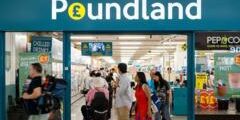
In a critical development for UK retail, the owner of Poundland, Pepco Group, is currently engaged in urgent discussions with the Business Secretary as signs of financial distress loom over the popular discount retailer. This situation has sparked significant reactions from market analysts, industry stakeholders, and consumers, raising concerns about the future of one of the country’s most recognizable discount chains.
Immediate reaction
The immediate reaction to the news has been one of alarm among investors and retail analysts. Shares in Pepco Group plummeted following reports of their discussions with the government. Retail experts suggest that stakeholders are increasingly worried about the company’s ability to navigate rising costs and diminished consumer spending amid an ongoing economic crisis. In the wake of these developments, shoppers have expressed concern over possible product shortages and store closures, which could impact access to affordable goods.
On social media, many consumers shared their sentiments, calling for support to keep the retailer afloat. “Poundland has been a lifeline during tough times,” one user tweeted, highlighting the importance of budget retail options for many families across Britain. The sense of community and dependence on low-cost goods has sparked a broader conversation about consumer rights and the need for government intervention to safeguard jobs and essential services.
What triggered the move
The discussions with the Business Secretary arise from a series of challenges faced by the Pepco Group, including soaring supply chain costs, inflationary pressures, and changing consumer behavior. Recent reports indicate that the company has been operating under severe financial constraints, which have forced it to reconsider its operational strategy to maintain competitiveness in a saturated market.
These challenges are not isolated to Poundland; many retailers are grappling with similar issues as the UK economy struggles to regain stability post-pandemic. The combination of rising operational costs and a squeeze on household incomes has inevitably led to diminished consumer confidence. Analysts warn that if the situation does not improve, it could ultimately lead to inevitable closures or significant restructuring changes within the company.
Why readers should care
The potential collapse of Poundland would have significant repercussions, not just for the retail sector, but also for consumers and local communities relying on affordable shopping options. As one of the UK’s favorite discount stores, it plays a crucial role in providing access to necessary goods at low prices, particularly in economically disadvantaged areas. Its decline could exacerbate inequalities in shopping access, leaving many vulnerable families with fewer affordable choices.
Furthermore, the discussions with the Business Secretary highlight a bigger issue in the retail landscape: the need for strategic government intervention to protect jobs and stabilize key players in the market. Whether through financial backing or policy changes, the government’s response could set a precedent for how similar crises are managed in the future. As Poundland’s fate hangs in the balance, shoppers and industry watchers alike will be eager to see how the situation unfolds in the coming weeks, particularly regarding its long-term implications for the marketplace and consumer behavior.
Original Source: https://www.bbc.co.uk/news/articles/ck240mm3e42do?at_medium=RSS&at_campaign=rss