
The latest turn
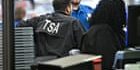
In a controversial move, the Transportation Security Administration (TSA) has recently removed chairs from checkpoints across multiple airports, triggering frustration among security personnel. The decision, announced quietly last week, aims to optimize space and enhance operational efficiency, according to TSA officials. However, the move has drawn sharp criticism from the American Federation of Government Employees (AFGE), which represents a significant number of TSA workers.
“People are pissed,” said AFGE National President Everett Kelley in a statement. He highlighted the physical demands of working long hours on one’s feet and the essential need for seating to provide a brief respite during shifts. “The safety and well-being of our members should be a top priority, not sidelined in the name of efficiency,” Kelley added.
How the story got here
The TSA’s controversial policy shift stems from ongoing efforts to streamline airport operations and improve passenger flow. According to TSA officials, the chairs were seen as unnecessary distractions that hindered the vigilance of security personnel. Since the onset of the COVID-19 pandemic, the agency has also faced increasing pressure to adapt its policies to a rapidly changing travel environment.
The issue first gained traction when staff members at several major airports reported that the lack of seating was exacerbating fatigue and stress during shifts. This led to discussions within the union regarding workplace conditions and the need for adequate break provisions. Trained for high-pressure situations, TSA employees argue that simple provisions such as seating can greatly enhance their ability to perform effectively, especially during peak travel periods.
The backlash intensified following a viral social media post of an exhausted employee slumped against luggage in a busy airport. This sparked broader conversations on labor rights and conditions in essential roles. Advocates for the workers have pointed out that stressors like inadequate rest opportunities can lead to mistakes that are detrimental to national security.
Next expected developments
As the situation evolves, both the TSA and the AFGE are gearing up for further negotiations. Union representatives are expected to formally present their grievances, advocating for a reconsideration of the seating policy. The TSA is likely to conduct internal assessments and engage with airport management teams to evaluate the necessity of chairs in specific locations.
The conversation around safety and employee conditions at TSA is likely to gain momentum as more airport employees voice their concerns. The upcoming holiday travel season could critically influence the TSA’s operational strategies, as passenger volume traditionally surges during this time. Observers will be watching closely to see if the agency alters its stance in response to growing pressure from union representatives and public sentiment.
Moreover, any official actions taken by the TSA will reflect the agency’s overall approach towards employee welfare moving forward, signaling a potential shift in how labor dynamics are handled within federal services.
Original Source: https://www.theguardian.com/us-news/2026/oct/10/tsa-union-agency-checkpoints-chairs