

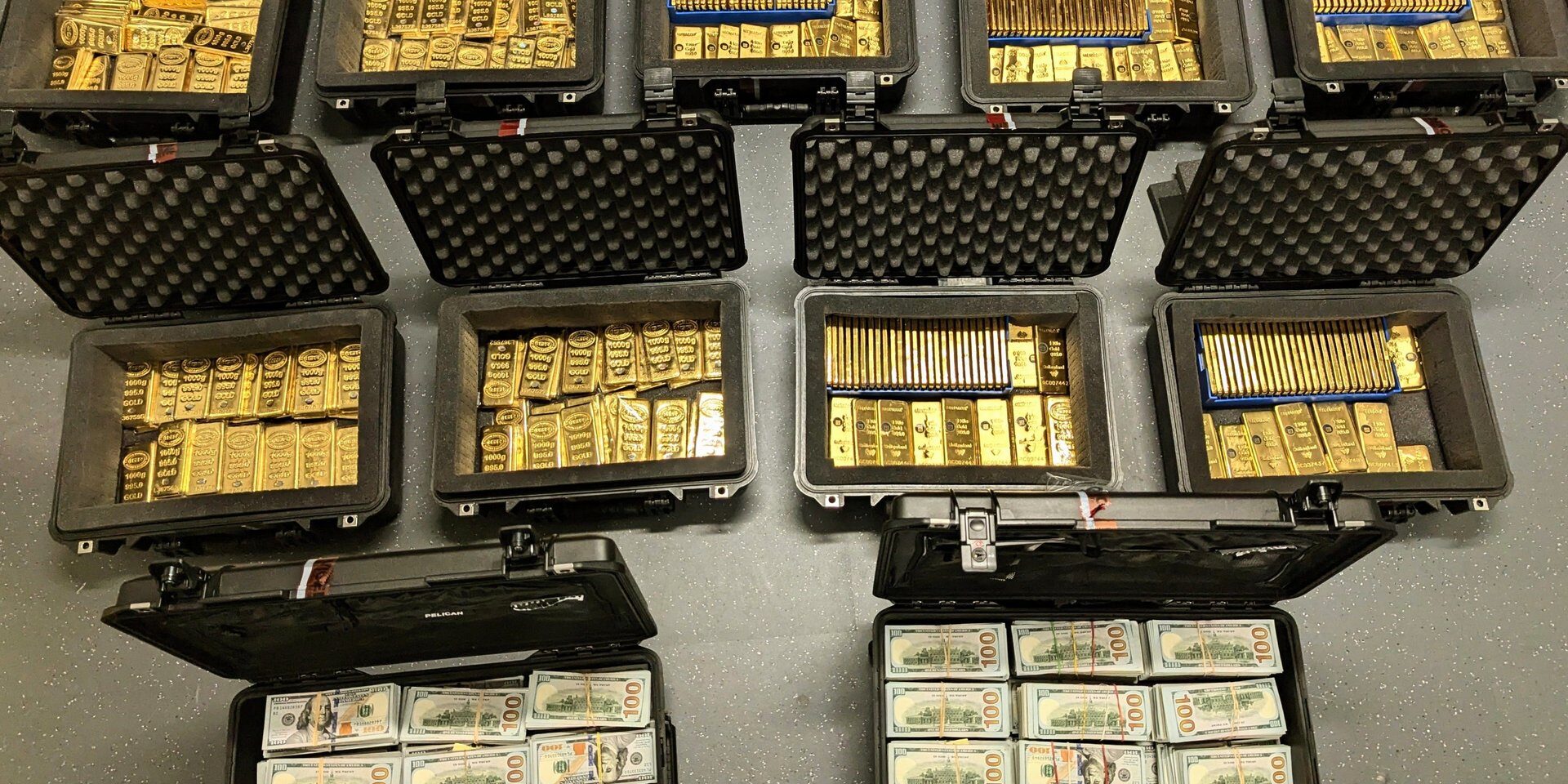
In a shocking turn of events, a former CIA operative has pleaded guilty to charges related to a massive $194 million fraud scheme that involved lavish spending on gold bars and luxury vehicles. This development has raised serious questions about accountability, ethics, and the vetting processes for individuals in sensitive national security positions.
What happened
The operative, who remains unnamed pending further legal proceedings, was part of a multi-faceted fraud operation that misused government funds allocated for national security initiatives. From 2018 to 2021, the scheme involved inflating the costs of legitimate contracts and diverting the excess cash into personal accounts. Prosecutors allege that the funds were then funneled into the purchase of high-end cars, Rolex watches, and gold bullion.
In court, the operative admitted to creating fake invoices and collaborating with accomplices to manipulate financial records. While the precise details of the operation have been revealed through court documents, the breadth of the scheme shocked many, particularly given the perpetrator’s prior role in national security. The plea agreement also entails a hefty restitution payment, which seeks to recover some of the funds lost due to these illegal activities.
Why it matters
This case has garnered widespread attention not only for the scale of the fraudulent activities but also for the implications it carries regarding national security. Individuals in positions such as this former operative are entrusted with sensitive information and resources, making the breach of such trust particularly concerning. Experts have expressed alarm over the potential for insider threats in government agencies, where the convergence of corruption and national security can have far-reaching consequences.
Furthermore, the incident raises questions about the oversight mechanisms in place within the CIA and other intelligence agencies. How can former operatives transition to civilian roles without rigorous checks? The repercussions may extend to future hiring practices as organizations reevaluate their background checks and ethical training programs to prevent similar incidents.
What comes next
As the legal process unfolds, attention will likely shift towards the sentencing phase, where the court will determine the punitive measures against the former CIA operative. The implications of this case may indeed resonate beyond the courtroom, potentially shaping policy changes in intelligence and government procurement practices.
Moreover, other individuals implicated in the scheme could still face charges, and federal investigators are expected to continue their scrutiny of the contracting processes that allowed these frauds to occur. Stakeholders within the intelligence community and the government will be keenly observing the outcome of this case closely, signaling a strong need for reform in safeguarding taxpayer money against similar criminal undertakings. As more details emerge, maintaining transparency will be crucial for restoring public trust in these critical institutions.
Original Source: https://www.moneytalksnews.com/gold-bars-fancy-cars-former-cia-op-pleads-guilty-in-m-fraud-scheme/