

What happened
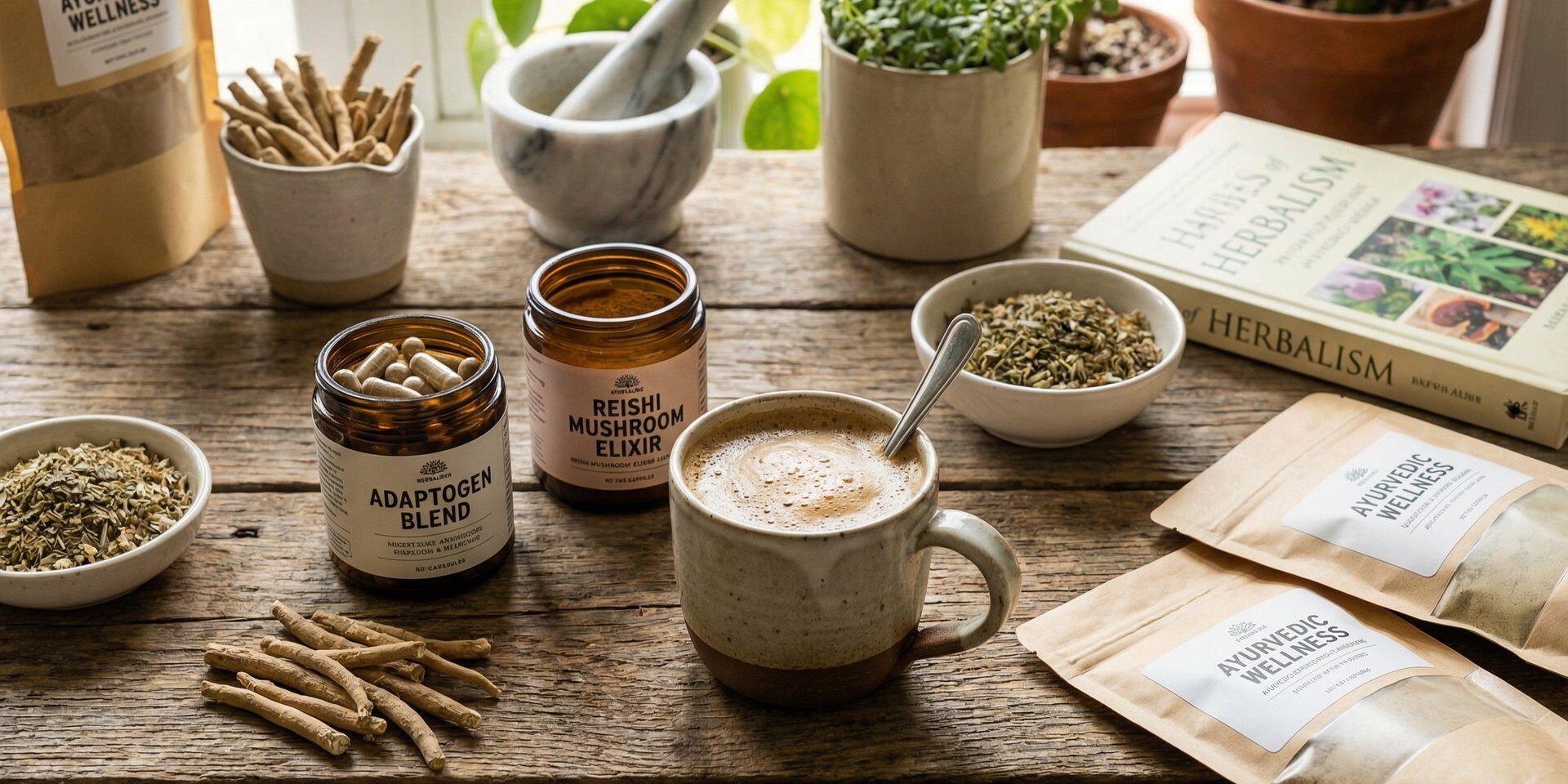
The realm of alternative health has witnessed a surge in the popularity of adaptogens—natural substances believed to help the body adapt to stress and regulate various physiological processes. Recent developments have spotlighted adaptogens in both wellness circles and clinical settings, with new studies examining their efficacy in stress management, anxiety relief, and overall well-being. As consumers increasingly gravitate towards holistic approaches for health, researchers are being called upon to investigate whether these herbal remedies truly deliver the promised benefits.
Why it matters
Adaptogens have been a part of traditional medicine for centuries, with roots in systems like Traditional Chinese Medicine and Ayurveda. Herbs like ashwagandha, rhodiola, and holy basil are frequently cited as key players in this field. With modern stressors ranging from financial worries to political unrest, solutions that help individuals cope with daily pressures are in high demand. The potential of adaptogens to improve mental health, bolster resilience, and enhance cognitive function is appealing, yet scientific validation remains mixed.
Recent meta-analyses have begun to provide a clearer picture of adaptogens’ effectiveness. For example, studies indicate that ashwagandha may significantly reduce stress and anxiety levels compared to placebo treatments. Conversely, other adaptogens, such as eleutherococcus (Siberian ginseng), show more modest effects, leaving some researchers skeptical about broad claims made by supplement manufacturers. This highlights the need for rigorous clinical trials that can differentiate between placebo effects and real physiological advantages.
What comes next
The future of adaptogenic research looks promising, but crucial questions remain. Next, scientists are tasked with determining which adaptogens are most effective for specific conditions, as reactions can vary widely among individuals. Researchers are also exploring the potential synergies between adaptogens and conventional treatments, as well as appropriate dosages and delivery methods.
Consumers should remain critical and informed while diving into the robust world of herbal supplements. As more empirical data emerges, there is hope for integrative medicine that responsibly incorporates adaptogens alongside modern pharmaceuticals. Health practitioners and consumers alike will be watching closely for forthcoming studies and clinical trials that may further clarify the role of adaptogens in stress management and overall health. The immediate outlook emphasizes caution, but optimism remains as ongoing research seeks to unveil the full potential of these ancient herbs.
Original Source: https://www.moneytalksnews.com/do-adaptogens-really-work-what-the-science-says/
