

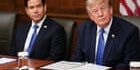
As tensions rise in Cuba due to ongoing protests and economic strife, a power struggle is emerging among allies of former President Donald Trump and Senator Marco Rubio over potential control of the island’s assets should the Cuban regime collapse. The developments raise questions not just about political influence, but also about who could benefit from the wealth of the nation historically rich in natural resources and strategic position.
What happened
Recent reports indicate a growing faction within U.S. political circles advocating for a swift response to the government in Havana. Many proponents argue that a regime change could provide an opportunity for the U.S. to capitalize on Cuba’s untapped economic potential. This includes lucrative sectors like tourism, agriculture, and natural resources, which have been largely neglected under the current communist government.
Key figures in this movement include Trump allies and prominent Cuban-American politicians, who are strategizing on how to best position themselves and their supporters to gain influence over Cuba’s assets. This includes lobbying for financial support, potential investment, and gaining diplomatic approvals from both U.S. lawmakers and international partners.
As the Biden administration navigates complex diplomatic ties with Cuba, these factions are rushing to solidify plans for how to manage the transition in governance. This mobilization is not purely political; it also taps into deep-seated sentiments among Cuban Americans and members of the diaspora who have long desired a different future for their homeland.
What it means for readers
The implications of this power struggle extend well beyond partisan politics. The U.S. has significant interests in ensuring Cuba transitions to a stable government that offers opportunities for economic cooperation and human rights improvements. For everyday readers, particularly within the Cuban-American community, this situation reflects broader hopes for change and economic revitalization on the island, which could also bring about significant market opportunities.
For investors and businesses eyeing Cuba, the shifting allegiances underline the importance of closely monitoring political developments. The potential for easing of trade restrictions and investment opportunities can reshape business landscapes in both the U.S. and Cuba. With existing sanctions, many potential investors are waiting to see how the political climate evolves and what regulations may be altered.
What happens now
Moving forward, the outcome of this internal U.S. struggle could significantly shape the post-regime landscape of Cuba. Analysts suggest that if a coalition led by Trump and Rubio allies gains momentum, we may see a more aggressive U.S. posture toward Havana, aimed at supporting dissidents and promoting economic reform.
The Biden administration’s response will also be critical in the coming months. Its decisions will likely involve weighing the potential risks of premature recognition of any new leadership against the desire to support democratic movements. As the situation unfolds, interested stakeholders will need to remain engaged to ensure they are prepared for the rapid changes that could occur in Cuba’s political and economic environments.
Ultimately, the battle for control over Cuba’s future assets by Trump and Rubio allies is both a reflection of past grievances and a strategic play for economic opportunities that could significantly benefit both the U.S. and the Cuban people, if managed correctly.
Original Source: https://www.theguardian.com/us-news/2026/sep/17/trump-marco-rubio-cuba