

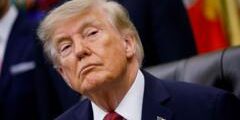
Former President Donald Trump has called for a reduction in interest rates following a series of robust job growth figures reported by the Bureau of Labor Statistics. His remarks have sparked discussions about the potential implications for monetary policy as the Federal Reserve assesses its next steps.
Key details
In a statement, Trump emphasized that the recent job data, which showed significant nonfarm payroll additions, should not lead to a tightening of monetary policy. Instead, he argued that the economy would benefit from lower interest rates, which he believes would stimulate further growth and investment. His comments come amid speculation that the Federal Reserve may increase interest rates in response to perceived inflation pressures and economic momentum.
Last month, the U.S. economy added 336,000 jobs, far exceeding economists’ expectations. This surge has raised the stakes in the ongoing discussion about interest rates, as many analysts suggest the Fed may view the strong job market as justification for continuing its rate-hike cycle. However, Trump’s insistence on rate cuts reflects a contrasting perspective that prioritizes growth over inflationary concerns.
Why this matters
Trump’s call for lower rates is significant not just for the Republican party but also for the broader economic landscape. Interest rates have a profound impact on consumer spending, business investment, and overall economic confidence. A cut could lower borrowing costs for consumers and businesses alike, potentially leading to increased spending and economic expansion.
Furthermore, Trump’s remarks come at a time of heightened sensitivity regarding the Fed’s decisions. With inflation still a key concern, even as it shows signs of moderation, the Fed’s balance between fostering growth and controlling inflation becomes increasingly complex. If the Fed were to heed Trump’s call, it may face criticism for not sufficiently addressing inflationary pressures.
Broader picture
The debate over interest rates also highlights the contrasting economic philosophies between Trump and many leading economists and policymakers. While Trump advocates for proactive monetary measures to support growth, many in the economic community argue that persistent inflation warrants a cautious and sometimes contractionary approach to interest rates.
As the 2024 presidential race begins to take shape, Trump’s economic views may resonate with certain voter segments who prioritize immediate economic relief over long-term inflation management. This juxtaposition could influence broader discussions on fiscal and monetary policy leading up to the election.
Ultimately, as the Federal Reserve prepares to meet in the coming weeks, Trump’s comments could pressure policymakers to reconsider their approach in light of both the strong labor market and rising public sentiment. Balancing these elements will be critical for maintaining economic stability and steering the U.S. economy in a sustainable direction.
Original Source: https://www.bbc.co.uk/news/articles/cy0zx2pkpx9o?at_medium=RSS&at_campaign=rss