

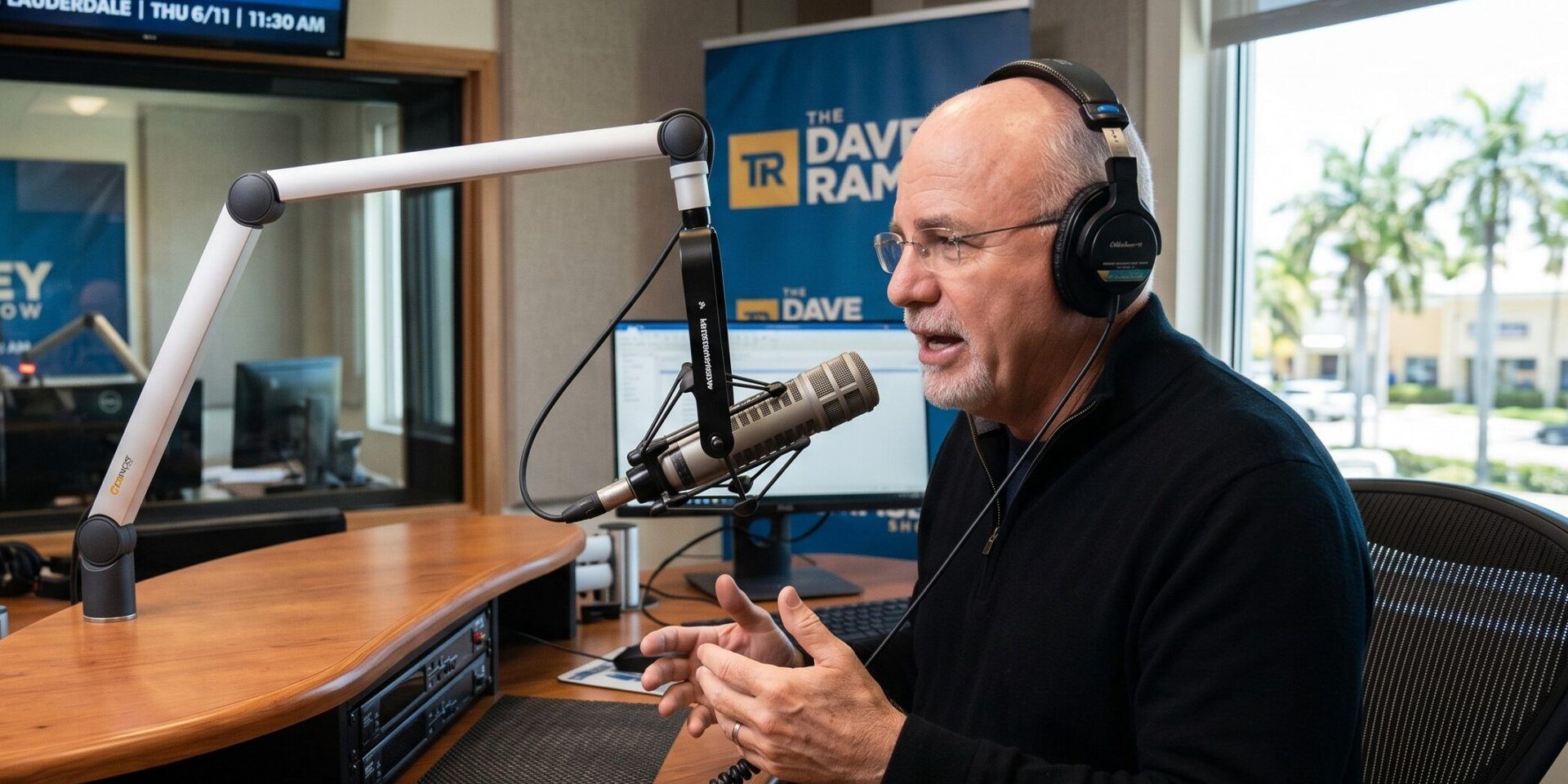
Recent debates surrounding retirement planning have reignited the discussion about Social Security, particularly with financial expert Dave Ramsey’s recurring assertions that it will only offer minimal support for retirees. As more individuals face the reality of insufficient savings, awareness about the actual role of Social Security in retirement plans is becoming increasingly relevant.
What happened
In a recent podcast episode, Dave Ramsey reiterated his long-held stance that relying on Social Security for retirement income is a recipe for financial disappointment. He emphasized that beneficiaries should neither expect it to sustain their desired lifestyle nor even cover essential expenses. This statement, while not new, has drawn fresh scrutiny as economic conditions evolve and baby boomers retire en masse.
Advocates for a different perspective argue that Ramsey’s outlook does not fully capture the complexities of the Social Security system or the evolving landscape of retirement funding. In that context, newer assessments suggest the program still plays a vital role in the financial stability of many retirees, upholding the viability of Social Security as a dependable, if modest, source of income.
Why it matters
The significance of Ramsey’s position lies in its influence over how millions of Americans approach retirement planning. By underscoring the limitations of Social Security, he inadvertently places a burden on individuals to pursue aggressive savings strategies without offering a balanced perspective on how these funds can contribute to overall retirement wellbeing.
Social Security is designed to replace about 40% of the average worker’s pre-retirement earnings. While it is true that for many, this sum may not be enough to cover all their expenses, it is critical to recognize that a significant portion of retirees rely heavily on this income. According to the National Academy of Social Insurance, more than 61 million Americans are currently receiving Social Security benefits, highlighting its importance in mitigating poverty among the elderly population.
Furthermore, as discussions around retirement planning gain momentum, there is a noticeable shift toward holistic approaches that account for various income streams, including personal savings, pensions, and investments. A singular focus on Social Security as a hindrance might cloud the realities many face and lead to misinformed financial strategies.
What comes next
As the conversation about retirement financing continues, next steps should involve a more balanced dialogue on Social Security’s actual role and potential future. With the program facing its own fiscal challenges, such as funding shortfalls projected over the next couple of decades, it remains imperative to educate citizens on how to best utilize this income source while also exploring additional financial strategies.
Future policy discussions will likely delve into reforms aimed at keeping Social Security viable without depleting benefits for current and future retirees. Individuals should brace for ongoing developments while prioritizing personal financial education to ensure a well-rounded approach to their retirement plans, considering both Ramsey’s warnings and the value Social Security can still provide.
