

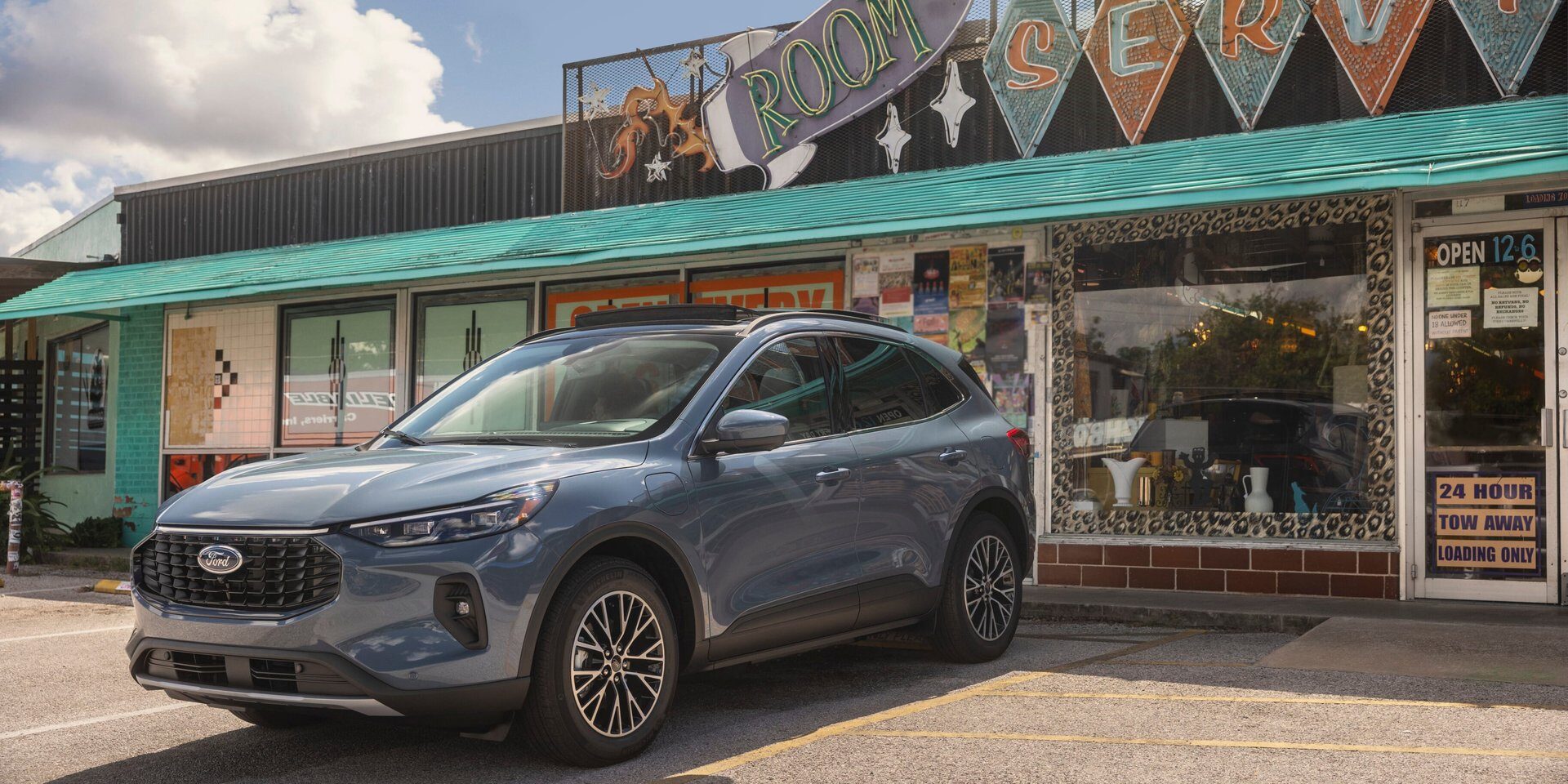
In a recent announcement, Ford Motor Company unveiled its ambition to become a leader in electric vehicles (EVs) by 2030. The automotive giant has committed to investing over $50 billion in electrification, signaling a strong pivot towards sustainability and technology. As the industry shifts, consumers can expect a transformed lineup featuring innovative designs, advanced technology, and eco-friendly options.
The latest turn
Ford’s latest developments underscore its shift away from traditional combustion engines. The company has already introduced fully electric models, such as the Ford Mustang Mach-E and the all-electric Ford F-150 Lightning. These vehicles showcase a combination of performance, practicality, and cutting-edge technology, positioning Ford at the forefront of the EV revolution.
The company’s roadmap includes the launch of several new electric models by 2030, with plans for a family of electric SUVs and trucks tailored to diverse consumer preferences. This strategic move is not merely about following an industry trend; it’s a calculated response to market demand and changing regulatory landscapes favoring lower emissions and sustainable practices.
How the story got here
Ford’s transition towards electric vehicles has roots in its long history of innovation, but the catalyst for change emerged from growing public awareness of climate issues and the global push for sustainability. In 2021, the company set ambitious goals that included aiming for zero emissions globally by 2050 and launching electric versions of its most popular models.
The competitive landscape has intensified, with both established automakers and newcomers striving for a share of the growing EV market. Ford recognized the need to modernize its portfolio to not only keep pace with rivals like Tesla and General Motors but to reclaim leadership in segments it once dominated. This approach aims to blend nostalgic design elements from classic models while incorporating modern technologies, creating a bridge between the past and the future.
Consumer response to Ford’s electric offerings has been largely positive, reflecting a broader shift towards sustainability in consumer preferences. The increasing range, enhanced performance, and lower operational costs associated with EVs are driving interest. As Ford continues to roll out updates and new models, the company is likely to closely monitor consumer feedback to integrate innovations that meet buyer expectations.
Next expected developments
Looking ahead, Ford plans to unveil more details about its electrification strategy in the coming years. The next major milestone is the introduction of a fully electric version of the iconic Ford Bronco, expected by 2025, which represents a blend of adventurous heritage and modern efficiency. This launch could resonate strongly with the growing segment of environmentally conscious adventure-seekers.
By 2030, Ford aims to have a robust lineup across various categories, including trucks, SUVs, and sedans, with at least 40% of its sales expected to come from electric vehicles. This not only highlights Ford’s commitment to driving change within the industry but also indicates a larger trend towards electrification that is likely to shape the future of transportation globally. As Ford reshapes its identity for the coming decade, stakeholders will undoubtedly watch closely for the next steps in this evolving narrative.
Original Source: https://www.moneytalksnews.com/what-fords-future-vehicle-lineup-could-look-like-by/
