

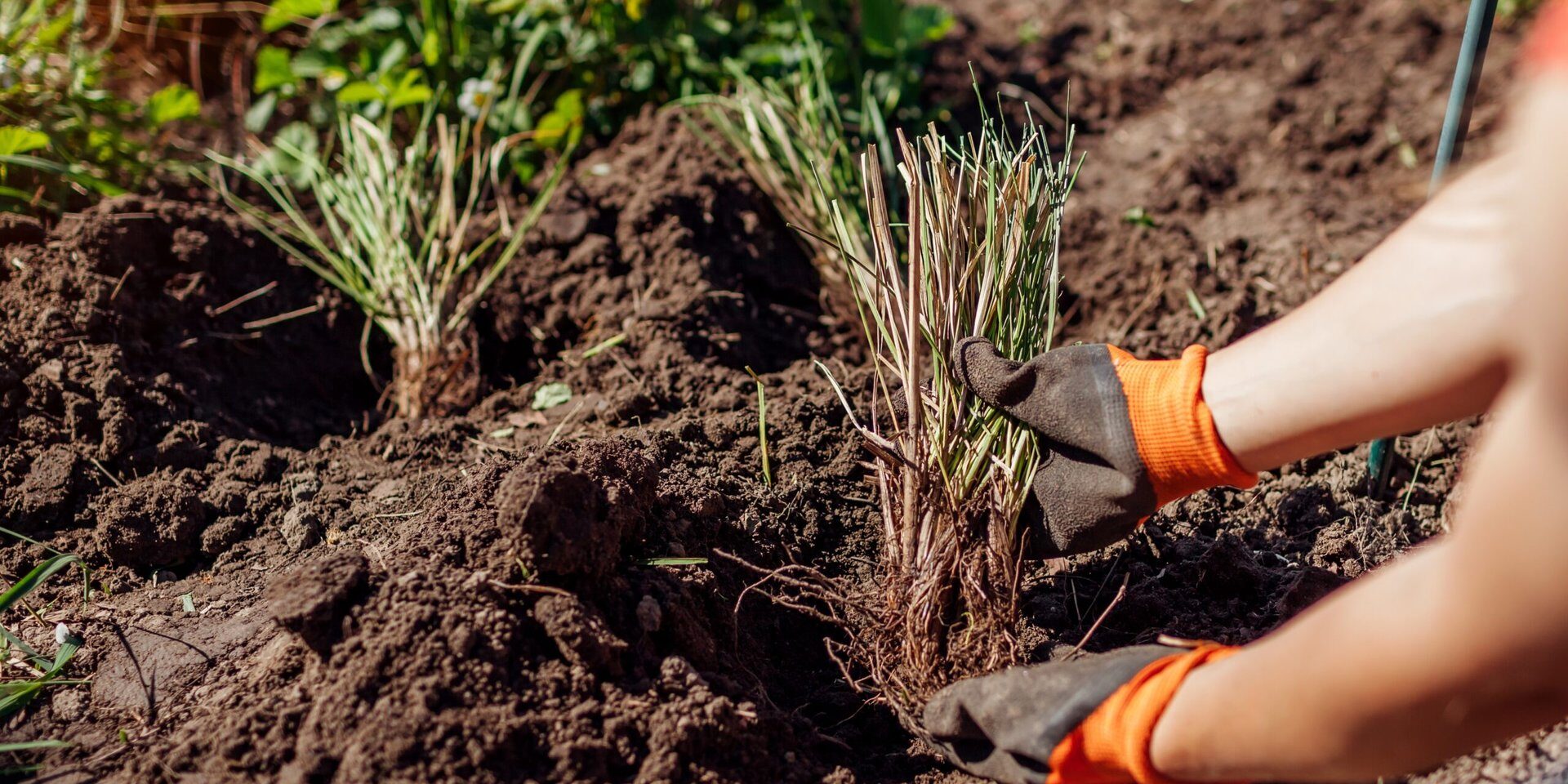
In recent years, the gardening community has seen a resurgence of interest in organic practices versus traditional chemical approaches. As consumers become more health-conscious and environmentally aware, the choice of how to cultivate plants has drawn scrutiny, provoking passion among gardeners, farmers, and consumers alike.
Key details
At its core, organic gardening relies on natural processes and materials, aiming to enhance soil health and ecological balance. This method often employs compost, natural fertilizers, and biodiversity-promoting practices. In contrast, chemical gardening utilizes synthetic fertilizers and pesticides designed to maximize growth and control pests quickly. Each strategy has documented successes and challenges, often influencing yield, plant health, and environmental sustainability differently.
Research indicates that crops grown organically can be just as productive as those treated with chemicals, especially when incorporating advanced organic practices such as crop rotation and intercropping. However, organic gardening typically requires more time and labor for pest control and soil management, whereas chemical gardening may yield quicker results, making it appealing for large-scale operations.
Why this matters
The implications of choosing between organic and chemical gardening extend beyond personal preference. The rise in organic cultivation has prompted significant changes in agricultural policy, market dynamics, and consumer behavior. In many regions, organic produce has become a staple in grocery stores, often at a premium price point, raising questions about accessibility and affordability for various communities.
Furthermore, the impact of chemicals on human health and ecosystems is gaining increased attention. Studies suggest that certain pesticides can be detrimental not only to beneficial insects but also to human well-being. These findings have bolstered the organic movement, urging consumers to consider the broader consequences of their gardening choices.
Broader picture
As the debate between organic and chemical gardening evolves, it intersects with larger issues such as climate change, food security, and sustainable farming practices. Proponents of organic methods argue that enhancing biodiversity and improving soil health can lead to more resilient agricultural systems. They contend that as the global population continues to swell, organic practices may present a pathway toward sustainable food production.
However, supporters of chemical gardening argue that advancements in technology and synthetic materials can help meet immediate food demands and reduce agricultural burdens in the short term. The challenge lies in finding a balance between efficiency and sustainability.
Ultimately, the choice between organic and chemical gardening may not be about identifying a single superior method but rather recognizing the potential benefits of both approaches. With the growing urgency to address climate issues and promote health-conscious practices, gardeners and policymakers alike must navigate these complex landscapes mindfully. The future of gardening may well depend on a nuanced understanding that embraces elements from both schools of thought.
Original Source: https://www.moneytalksnews.com/organic-vs-chemical-gardening-what-really-works-for-your-plants/