
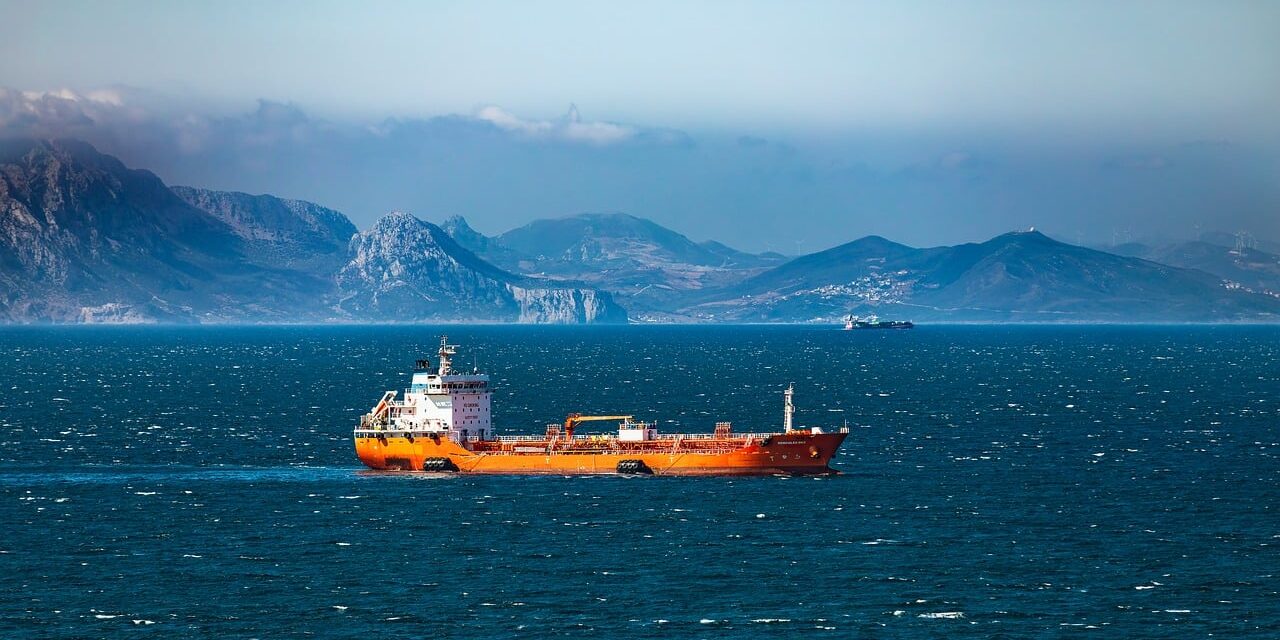
The United States is approaching the limits of its strategic oil reserves as geopolitical tensions escalate surrounding the Strait of Hormuz. This vital waterway, which connects the Persian Gulf to the Arabian Sea, is a significant conduit for global oil shipments, making its security critical to international energy markets.
What happened
Recent reports indicate that the U.S. Strategic Petroleum Reserve (SPR), established to mitigate supply disruptions, is nearing its maximum capacity due to ongoing geopolitical uncertainties and an emphasis on energy independence. President Trump has expressed intentions to exert control over maritime routes in the Strait of Hormuz, an area vital for oil shipping that sees approximately one-fifth of the world’s oil supply pass through its waters.
This assertive stance comes amid rising tensions with Iran, which has been accused of threatening shipping operations in the strait. As the U.S. continues to support international security efforts in the region, concerns over global oil prices and supply consistency remain high. The administration’s recent discussions surrounding the SPR have focused on both practical energy security and political leverage in a complex geopolitical landscape.
What it means for readers
For consumers and businesses in the United States, the current situation reflects deeper implications for energy prices and economic stability. As oil traders respond to the potential disruption in supply from the Middle East, prices at the pump could be affected by fluctuations in global oil markets. Analysts warn that a sustained increase in oil prices could hinder economic growth, resulting in higher transportation and production costs.
The nearing capacity of the SPR raises questions about the U.S. government’s preparedness should a significant supply disruption occur. It may compel the administration to consider additional strategic measures, potentially leading to a reconsideration of oil export policies or an increase in domestic production efforts. As such developments unfold, the energy sector’s shifting landscape could prompt consumers to adapt to rising costs.
What happens now
The U.S. is currently faced with a critical decision-making period regarding its oil reserves and foreign policy in the Middle East. If tensions escalate, there may be an urgent need for the U.S. to act decisively to ensure the safety of shipping routes and maintain stability in global oil prices. This could involve military presence in the region or negotiating broader international agreements aimed at safeguarding sea lanes.
Moreover, future discussions in Washington could influence how the U.S. maneuvers its energy strategy going forward. Continued monitoring of the situation in the Strait of Hormuz will be essential for understanding potential impacts on consumers and businesses alike.
Ultimately, while the strategic oil reserves serve as a buffer against sudden supply shocks, the current geopolitical climate underscores the importance of remaining vigilant and adaptive. As readers navigate these changes, staying informed about oil prices and developments in international relations will be critical for anticipating economic impacts.