

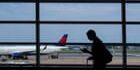
In a recent statement, Delta Air Lines has indicated that travelers should brace for higher airfares to remain a fixture in the airline industry, despite a significant drop in global oil prices. This news has sparked a diverse range of reactions from industry analysts and the traveling public alike.
Immediate reaction
Immediately following Delta’s announcement, stock prices for major airlines, including Delta itself, experienced fluctuations, reflecting a mixture of investor concern and strategic optimism. Air travel enthusiasts expressed dissatisfaction on social media platforms, lamenting that falling oil prices should ideally reduce operational costs and, in turn, ticket prices. However, many experts believe that the market’s reaction emphasizes a shift towards recognizing the complexities of the current economic landscape.
What triggered the move
The airline industry has undergone significant transformations since the pandemic, with many carriers adopting a strategy of maintaining higher fares to counterbalance inflation and rising operational costs. Delta’s executives highlighted that while fuel prices might dip, the expenses associated with staffing, maintenance, and customer service have surged. They emphasized that these costs are unlikely to decrease in the short term, necessitating continued fare increases to sustain profitability.
A recent report indicated that crude oil prices have fallen by approximately 20% over the past few months, reigniting hopes among consumers for lower airfare. However, Delta’s stance implies that the airline will prioritize financial stability over competitive pricing, especially as it invests in improving its overall service portfolio.
Why readers should care
The implications of Delta’s strategy extend beyond immediate fare increases. Travelers may need to adjust their budgeting for trips, as airlines may continue to lean toward higher prices. This decision not only affects individual travel plans but also has broader repercussions on the tourism sector and related industries that rely on accessible air travel.
Travel experts suggest that consumers should remain vigilant about fares and explore various pricing strategies, such as booking during sales or considering alternative airlines and routes to find the best deals. Additionally, this scenario highlights ongoing challenges in the airline sector, which is still navigating the financial obstacles brought on by the pandemic and subsequent economic shifts.
In conclusion, while oil prices may experience volatility, Delta Air Lines’ announcement that higher airfares are expected to become a fixture in the travel landscape signals an important evolution in airline pricing strategy. As the industry adapts to fluctuating operational costs, travelers should prepare for potential fare changes that could impact their travel plans in the near future.
Original Source: https://www.theguardian.com/business/2026/jul/10/delta-airfare-prices-quarterly-results