

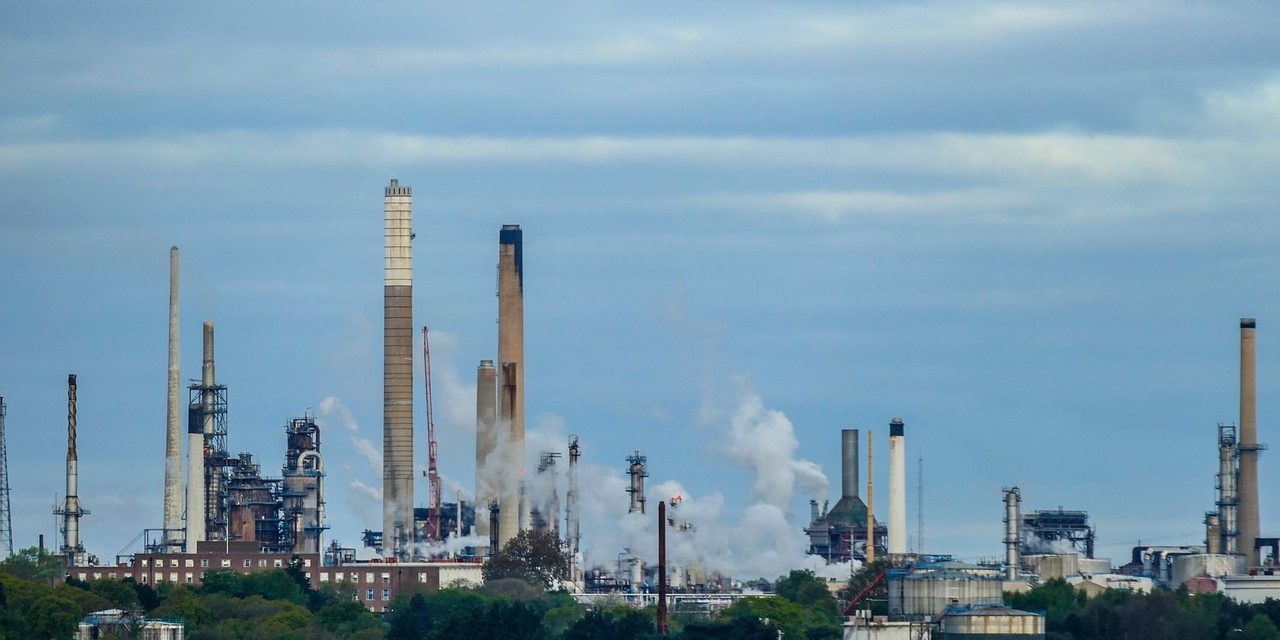
Ukrainian drone operations have reached a significant milestone, striking the largest oil refinery in Russia located in Siberia, which is a clear indication of technological advancements and a shift in the dynamics of the ongoing conflict.
What happened
On Sunday, a series of Ukrainian drones flew approximately 1,000 kilometers across Russian territory to hit the oil refinery in the Siberian city of Angarsk. Reports indicate that the strike occurred in the early morning hours, causing substantial damage to the facility’s infrastructure. This operation marks one of the furthest drone raids conducted by Ukraine since the commencement of hostilities in 2022.
The Angarsk refinery is a crucial node in Russia’s energy supply chain and has a processing capacity of around 7 million tonnes of crude oil annually. Following the drone strike, Russian emergency services reported fires at the facility, prompting a swift response to contain the situation. While specific details regarding casualties have yet to emerge, the strike is believed to have considerable implications for both countries involved.
What it means for readers
The strike on the Angarsk refinery illuminates a evolving landscape of warfare where technology has redefined the battlefield. For readers, this event underscores the potential vulnerabilities that critical infrastructure can experience in modern conflict. The incident not only highlights Ukraine’s capacity for long-range strikes but also serves as a reminder of the risks associated with energy independence and security in the region.
Additionally, this attack comes amidst rising global energy prices, creating further questions about the stability of oil supplies. As the conflict continues, energy markets may react to unforeseen developments, leading to increased volatility. Those monitoring the international oil landscape should remain vigilant as these events unfold.
What happens now
In the aftermath of the strike, analysts predict that Russia will likely escalate its defensive measures, including increased surveillance and air defense systems in vulnerable regions. Future Ukrainian operations may further exploit weaknesses in Russian defenses, potentially leading to a cycle of retaliation and counter-retaliation.
As both sides reassess their strategies, the outcome could have ripple effects beyond military tactics, influencing geopolitical relations and energy security across Europe and beyond. It’s essential for stakeholders, including governments and energy market participants, to consider how these developments might redefine resource allocations and diplomatic strategies moving forward.
In conclusion, the successful long-range operation by Ukrainian forces against a key Russian energy facility signifies an important evolution in the conflict and raises critical questions about the implications for energy security and military strategy in the region.
Original Source: https://www.businessinsider.com/ukraine-drones-omsk-refinery-attack-long-range-siberia-fire-point-2026-7