

What happened
In a recent interview, former Social Security Commissioner Michael Astrue unveiled a bold proposal, suggesting that wealthy Americans should contribute more to the Social Security program. Astrue, who led the Social Security Administration from 2007 to 2013, emphasized that adjusting the contribution system could significantly boost the program’s long-term viability and financial health.
Astrue’s comments come amid increasing concerns over the sustainability of Social Security, which has faced funding challenges as the U.S. population ages and life expectancy rises. The program, designed to provide retirement, disability, and survivor benefits to millions of Americans, is projected to deplete its trust funds by 2034, according to the latest reports from the Social Security Administration. This looming deadline makes discussions about reform all the more urgent.
Why it matters
Astrue’s proposition to require higher contributions from affluent individuals centers on the principle of equity in the social safety net. Currently, Social Security taxes are collected on wages up to a cap of $160,200 (as of 2023). Income above this threshold is exempt from Social Security tax, which means high earners pay a smaller percentage of their overall income into the program compared to lower- and middle-income workers.
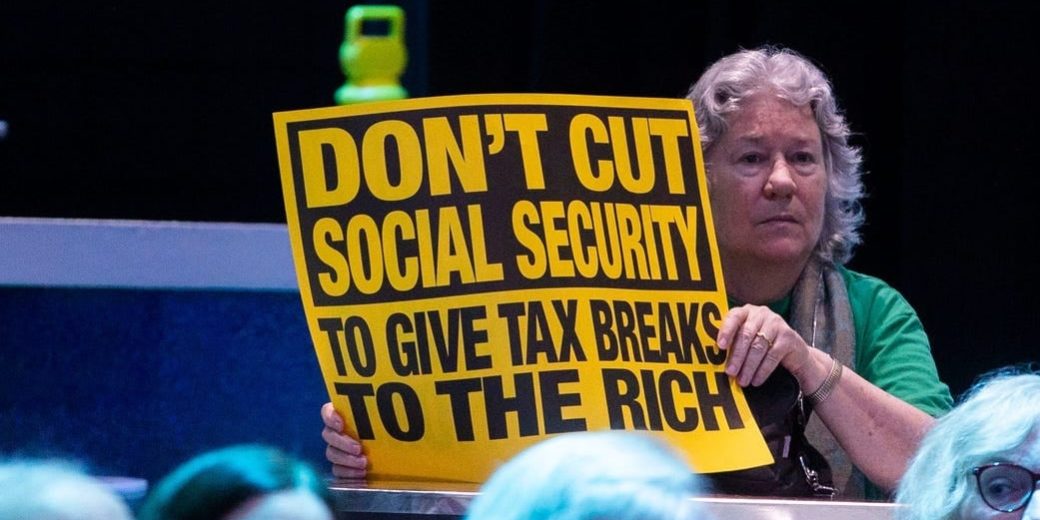
This disparity has led to debates about fairness, especially as wealth inequality continues to widen in the United States. Critics argue that if both corporate and individual tax structures could be adjusted to include higher earners, the financial strain on the Social Security system would be relieved, ensuring benefits for future generations remain intact.
Astrue joins a growing chorus of voices advocating for reform, which could potentially reshape how American citizens perceive their responsibility to fund Social Security. While liberal policymakers have long supported increased taxes on the wealthy, Astrue’s position as a former head of the program brings a significant perspective into the mix, highlighting both the urgency and necessity of these discussions.
What comes next
As legislative and policy discussions surrounding Social Security continue, Astrue’s recommendations are poised to spark further debate in Washington. Lawmakers from both parties are expected to evaluate the feasibility of changing contribution requirements as they consider broader reforms aimed at safeguarding the future of the program.
The immediate outlook for such proposals remains unclear, as there are strong opinions on either side of the issue. Democrats may support Astrue’s call for revised contributions, while Republicans may argue against increased taxation. In the coming months, stakeholders will keep a close eye on congressional hearings and proposals to see what, if any, changes may be introduced to address the pressing financial concerns regarding Social Security.
For the time being, the discussion is not just theoretical; it is crucial for millions of Americans who rely on Social Security. As Astrue’s insights permeate the ongoing dialogue, the attention on this vital program will only intensify.
Original Source: https://www.moneytalksnews.com/ex-social-security-commissioner-says-rich-should-pay-more-into-program/
