

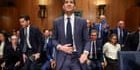
The U.S. Senate is expected to vote soon on the confirmation of Kevin Warsh as the next chair of the Federal Reserve. Market participants, industry experts, and the public are closely monitoring the implications of this decision, particularly as it relates to monetary policy and the ongoing economic recovery from the pandemic.
Immediate reaction
Initial reactions from financial markets have been cautiously optimistic but mixed. Futures on the S&P 500 and Dow Jones Industrial Average have shown slight upticks, reflecting investor confidence in Warsh’s ability to steer the economy. However, concerns linger over the potential for increased interest rates. Analysts have cited Warsh’s previous tenure as a Fed governor and his advocacy for a more conservative monetary policy as reasons for this apprehension. Nevertheless, many believe his appointment might stabilize the Fed’s direction amidst global economic uncertainties.
Public sentiment has also been varied. While some celebrate the prospect of a more experienced hand at the helm during turbulent times, others remain skeptical about the implications of Warsh’s potential hawkish stance on interest rates. Smaller businesses and consumers are particularly concerned about how a tighter monetary policy might limit access to credit and slow down recovery efforts.
What triggered the move
The drive to confirm Warsh comes amid increasing inflationary pressures and a labor market that, although recovering, faces challenges in matching pre-pandemic levels. President Biden nominated Warsh, a former Fed governor and financial markets expert, to bring a seasoned perspective to the Federal Reserve as it navigates these troubled waters. Warsh’s experience during the 2008 financial crisis is seen as especially relevant now, given the lingering impact of the COVID-19 pandemic.
Senators from both sides of the aisle have acknowledged Warsh’s qualifications, albeit with differing views on his proposed policies. Democrats generally advocate for a cautious approach to interest rate hikes, aiming to maintain support for economic recovery, while some Republicans emphasize the need to curb inflation promptly. This political backdrop has heightened the urgency for a Senate vote, as uncertainty surrounding the Fed’s path forward can trigger market volatility.
Why readers should care
The confirmation of Kevin Warsh as the next Federal Reserve chair is poised to shape the economic landscape for years to come. His approach to monetary policy will influence interest rates, inflation, and ultimately the economic well-being of millions of Americans. Decisions made in the Fed under his leadership could affect everything from mortgage rates to employment opportunities.
For businesses, a shift towards higher interest rates could stall investments, potentially resulting in slower growth. For consumers, higher borrowing costs may make it more challenging to finance homes and education. As such, the Senate’s decision is not just a bureaucratic formality; it has real implications for everyday life in the U.S. Economic watchers will be eyeing Warsh’s confirmation and subsequent policy choices closely, as they will likely set the tone for recovery in a post-pandemic world.
Original Source: https://www.theguardian.com/business/2026/may/11/senate-kevin-warsh-federal-reserve-chair