Key details
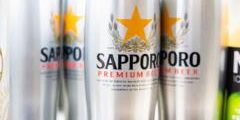
Japanese brewer Sapporo Holdings has announced plans to shift a portion of its beer production from Canada to the United States, responding to current tariff regulations affecting trade between Canada and the U.S. This decision comes amid increasing costs attributed to tariffs on imports, which have made it financially challenging for Sapporo to continue its full production capacity in Canada. The company is expected to move operations to its facility in La Crosse, Wisconsin, enhancing its ability to serve American consumers while mitigating the impact of tariffs.
As one of the oldest and most recognizable Japanese beer brands, Sapporo’s shift highlights significant changes in global trade patterns. The company’s decision is seen as a strategic response to maintain competitive pricing within the U.S. market, where consumers have numerous beer options available from both domestic and foreign brands.
Why this matters
The move to relocate production is pivotal for Sapporo, demonstrating how international trade policies directly impact business operations. Tariffs have been a contentious issue, particularly since the United States and Canada share a large trade relationship, and changes in these policies can quickly alter market dynamics. For Sapporo, the costs associated with tariffs have made it unviable to produce beer in Canada for sale in the U.S., where the company has been attempting to strengthen its market presence.
Sapporo’s production shift is also indicative of broader trends within the food and beverage industry, where many companies are reevaluating supply chains and production locations to adapt to changing regulations and consumer preferences. As global trade economics evolve, companies need to be agile, keeping production close to key markets, thereby reducing shipping costs and increasing responsiveness to consumer demands.
Broader picture
Sapporo’s strategy reflects a larger trend of multinational companies reassessing their operational footprints in response to trade policies. Similar moves have been observed in various sectors where businesses are relocating production or sourcing locally to mitigate tariff impacts. This trend could accelerate the shift in job markets and production standards in the U.S., especially as companies seek to capitalize on closer proximity to consumers.
Moreover, Sapporo’s decision can influence competitors within the craft beer and larger domestic beer market. The focus on local production may increase pressure on other companies to either lower prices or seek alternative arrangements to remain competitive. As consumers become more attuned to the importance of local sourcing and production, this shift may initiate broader discussions on domestic versus imported goods and the future landscape of the beverage industry.
In conclusion, Sapporo’s move to shift part of its beer production from Canada to the U.S. illustrates the real-time consequences of tariff policies on international businesses. This development not only affects Sapporo’s operational strategies but also sets a precedent for how global brands navigate the challenges posed by current economic conditions. It remains to be seen how this strategic shift will resonate through the beverage industry and the broader economic landscape in the coming years.
Original Source: https://www.bbc.co.uk/news/articles/c87ve09pgqzo?at_medium=RSS&at_campaign=rss