

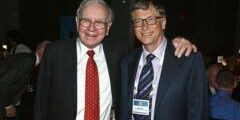
In a surprising turn of events, Warren Buffett, the billionaire CEO of Berkshire Hathaway, has announced he will cease donations to the Bill and Melinda Gates Foundation. The decision has sent waves through both philanthropic circles and the financial markets, prompting speculation about potential repercussions for the organization’s future projects and its influence on global health initiatives.
Immediate reaction
The response from market analysts and investors has been immediate and varied. Some view Buffett’s decision as an indicator of waning confidence in the Gates Foundation’s strategies, especially as it pertains to their global health initiatives. Others suggest that this could signify broader changes in philanthropic trends, with wealthy individuals increasingly opting for more direct forms of giving instead of established foundations. Stocks in companies associated with the foundation’s funding sectors saw minimal fluctuations, indicating that investors remain largely unfazed, at least for now.
Public opinion is also divided. Supporters of the Gates Foundation are expressing concern over the long-term viability of its programs, particularly those addressing vaccination and education in developing countries. Conversely, critics of philanthropy as a whole have seized the moment to voice concerns about the concentration of wealth and power within a few individuals, citing Buffett’s withdrawal as a reason for reassessing the effectiveness of large philanthropic efforts.
What triggered the move
While Buffett has not provided exhaustive details on his decision, sources close to the situation indicate that disagreements over strategic direction may have played a role. Reports suggest that differences in vision for combating global poverty and health issues led to tensions between Buffett and the leadership at the Gates Foundation.
Buffett has historically focused on initiatives promoting economic self-sufficiency and sustainable development, while the Gates Foundation has often prioritized immediate health crises, such as immunization programs. This divergence could have contributed to Buffett’s choice to withdraw financial support, as he seeks to align his charitable efforts with his beliefs.
Why readers should care
The implications of Buffett’s withdrawal are significant for both the Gates Foundation and the broader landscape of charitable giving. Given that Buffett has been one of the foundation’s key financial backers, this shift raises questions about the organization’s ability to sustain its reach and impact. Fundraising efforts may also face new challenges as potential donors reassess the viability of traditional philanthropic structures.
Moreover, Buffett’s decision could ignite a trend among other billionaires to reconsider their commitments to established foundations or shift towards more personalized charitable efforts. This is particularly pertinent in an age where corporate social responsibility is under scrutiny, and innovative, immediate approaches to philanthropy are becoming more attractive.
In the short term, the withdrawal likely affects current projects and funding stability within the Gates Foundation. How the organization adapts to this new reality will be closely monitored by stakeholders, charity experts, and the public alike, indicating whether this move heralds a significant shift in the philanthropic landscape or remains an isolated incident. The future of charitable funding may indeed hinge on the responses from both Gates and other potential benefactors in light of this high-profile withdrawal.
Original Source: https://www.bbc.co.uk/news/articles/c8x2x549vgdo?at_medium=RSS&at_campaign=rss