

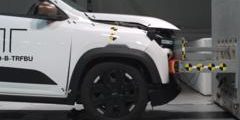
The rising popularity of electric vehicles (EVs) is bringing a range of considerations for owners, including higher insurance premiums. As technological advancements drive the automotive market towards electrification, potential and current EV owners are left grappling with the factors contributing to the increased costs of insuring these vehicles.
Background and context
Electric cars have gained significant traction over the past decade, largely due to growing environmental awareness and government incentives aimed at reducing carbon emissions. Despite this positive trend, insurance costs for EVs tend to be higher than their gasoline-powered counterparts. Various factors contribute to this disparity.
First, the initial purchase price of electric vehicles is generally higher. On average, EVs cost several thousand dollars more than similar internal combustion engine vehicles. Insurers typically calculate premiums based on replacement costs, leading to higher rates for more expensive cars.
In addition to the purchase price, electric vehicles often incur higher repair costs due to their specialized components and advanced technology. Unlike traditional vehicles, EVs have intricate electrical systems and battery packs that require specialized knowledge and parts for repairs. According to industry analysis, these repair costs can be two to three times more for EVs than for conventional cars, and this higher potential expenditure is reflected in insurance premiums.
Furthermore, many electric vehicles are equipped with advanced safety and technology features. While these features make EVs safer and can potentially lower insurance costs in the long run, their complex nature can make repairs more costly and intricate in the short term.
Latest developments
Recognizing the challenges posed by high insurance costs, some insurance companies are beginning to adapt their approaches. Innovative insurers are launching specific policies designed for electric car owners, aiming to capture a growing market segment. These policies often include benefits such as discounts for low mileage, enhanced warranty coverage, and incentives for safe driving.
Additionally, as the number of electric vehicles on the roads increases, insurers are gathering more data related to the risks associated with EVs. This data collection is expected to lead to more accurate premium assessments in the future, which could eventually bring down costs as risk factors become clearer.
Some states are also looking at potential regulations to encourage the use of EVs, which may indirectly affect insurance costs. Initiatives such as public charging infrastructure development and incentives for insurance companies to lower premiums could be on the horizon, with various stakeholders advocating for changes that support greater adoption of electric vehicles.
What to watch next
As technology continues to evolve and more electric vehicles enter the market, one key aspect to monitor is the regulatory landscape surrounding EVs and their insurance. Potential legislation aimed at promoting electric vehicle ownership may influence how insurance companies assess risk and set premiums.
Furthermore, consumer demand for electric cars is forecasted to rise, which could incentivize more insurers to innovate and foster competitive pricing strategies. Stakeholders will be closely watching how traditional insurers adapt to the changes in the automotive market and if they can strike a balance between risk management and affordability for consumers. Ultimately, the evolving landscape of electric vehicle insurance seems poised for meaningful developments in the coming years.
Original Source: https://www.bbc.co.uk/news/articles/cgk6606j6zeo?at_medium=RSS&at_campaign=rss