

Key details
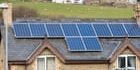
A recent report indicates that the number of homes in Great Britain utilizing green energy sources has reached an all-time high, with over 25% of residences now powered by renewable energy. This surge marks a significant milestone, driven largely by soaring fuel prices and heightened awareness regarding climate change. As households grapple with increasing energy costs, many are opting for solar panels, heat pumps, and wind energy systems, viewing these investments not only as eco-friendly choices but also as long-term financial strategies.
The report, published by the UK Department for Business, Energy & Industrial Strategy, highlights a 15% year-on-year increase in installations of renewable energy technology within homes. Solar energy, in particular, has seen a notable rise, with over 1.4 million installations across the nation.
Why this matters
The transition to green energy is crucial, especially in light of the recent spike in energy prices that has left many households facing significant financial strain. With gas and electricity prices reaching unprecedented levels, the financial viability of switching to renewable energy is becoming more attractive. Homeowners are increasingly recognizing that while the initial investment in systems like solar panels or wind turbines can be substantial, the long-term savings on energy bills can outweigh upfront costs.
Beyond financial considerations, the shift to renewables aligns with the United Kingdom’s longstanding environmental goals. With the government’s commitment to reducing carbon emissions to net zero by 2050, this grassroots movement represents a vital step in meeting climate goals. The decarbonization of the heating and electricity sectors is fundamental in achieving these ambitious targets.
Broader picture
This rise in green energy adoption among British households reflects broader trends in global energy consumption. Countries worldwide are grappling with the dual challenges of energy affordability and environmental sustainability. As the impacts of climate change become more pronounced, nations are increasingly turning to renewables as viable alternatives to fossil fuels.
The trend in Great Britain may also influence policy decisions domestically and abroad. As more citizens opt for sustainable energy solutions, it may prompt the government to invest more heavily in supporting renewable infrastructure, opening doors to further legislative reforms. The growth in green technology sectors also has implications for job creation, as demand for technicians, engineers, and other skilled workers increases.
In conclusion, the shift towards green energy in Great Britain represents more than just a trend driven by rising fuel costs. It signifies a growing awareness among homeowners of both the financial and environmental imperatives for change. As adoption rates climb, this momentum could drive larger systemic shifts in the national energy landscape, influencing both policy and public attitudes about sustainability in the years to come.
Original Source: https://www.theguardian.com/business/2026/apr/11/homes-great-britain-green-energy-fuel-prices