
The recent escalation of conflict in Iran is significantly impacting two sectors of the American economy: oil and defense. As US gas prices surges and tension increases in the Middle East, both sectors see a notable rise in their profits.
Current unrest in Iran, triggered by political instability and strife in the region, has led to an atmosphere of uncertainty, with the likelihood of an all-out war causing profound concern worldwide. Simultaneously, this unfolding situation has influenced oil prices significantly due to Iran’s role as a key player in the global oil market.
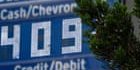
Oil prices have reached an 18-month high, with Brent crude trading at $90.94 per barrel and the U.S. West Texas Intermediate crude at $88.16 per barrel. This is the direct consequence of the ongoing instability, with refineries reducing output and international sanctions limiting Iranian oil exports.
“The uncertainty surrounding Iran’s political situation and subsequent effects has sent oil prices skyrocketing,” said energy market expert, Dr. Harrison Marshall. “This has, in turn, led to an increase in gas prices across the United States, with the prospect of further increases based on continued disruption.”
The surge in oil and gas prices appears to be a boon for American oil companies, whose profitability is linked to the price per barrel. According to recent stock market data, these companies are experiencing significant growth in share values amidst the uncertainty. Among the beneficiaries are ExxonMobil and Chevron, whose shares have climbed 3% and 2.4% respectively.
However, the soaring gas prices are posing a critical challenge for the American public, especially those struggling with the post-pandemic economic recovery. The impact has also rippled through to the goods and services industry, where increased transportation costs have led to high prices on everyday items.
Simultaneously, the escalation of tensions in Iran has spurred the defense sector, leading to increased defense spending and subsequent profitability for major defense contractors. Companies like Lockheed Martin and Raytheon have seen a significant upswing in demand as the U.S. government shores up its defense capabilities amid the growing crisis.
“These situations have traditionally served as catalysts for the growth of the defense industry,” stated Defense Analyst, Laura Simmons. “And in the current context, we are witnessing a similar trend, where companies providing defense solutions are expected to benefit.”
Despite the positive experience of the oil and defense sectors, economic analysts warn of a potential double-edged sword. The rise in oil prices could lead to inflationary pressures and potentially slow down the overall economic recovery from the Covid-19 pandemic. Experts also expressed concerns on the ethical aspect of companies profiting from escalating conflicts.
As the geopolitical tensions continue to play out in Iran, the resultant economic shifts underline the interconnected nature of global events, which can simultaneously hit some pockets while padding others. It’s a stark reminder that the ramifications of conflict extend well beyond the battlefield, significantly impacting economies and livelihoods both domestically and abroad.
Original Source: https://www.theguardian.com/world/2026/apr/06/defense-contractors-oil-companies-profit-iran-war